Bio Blitz - Understanding Biodiversity
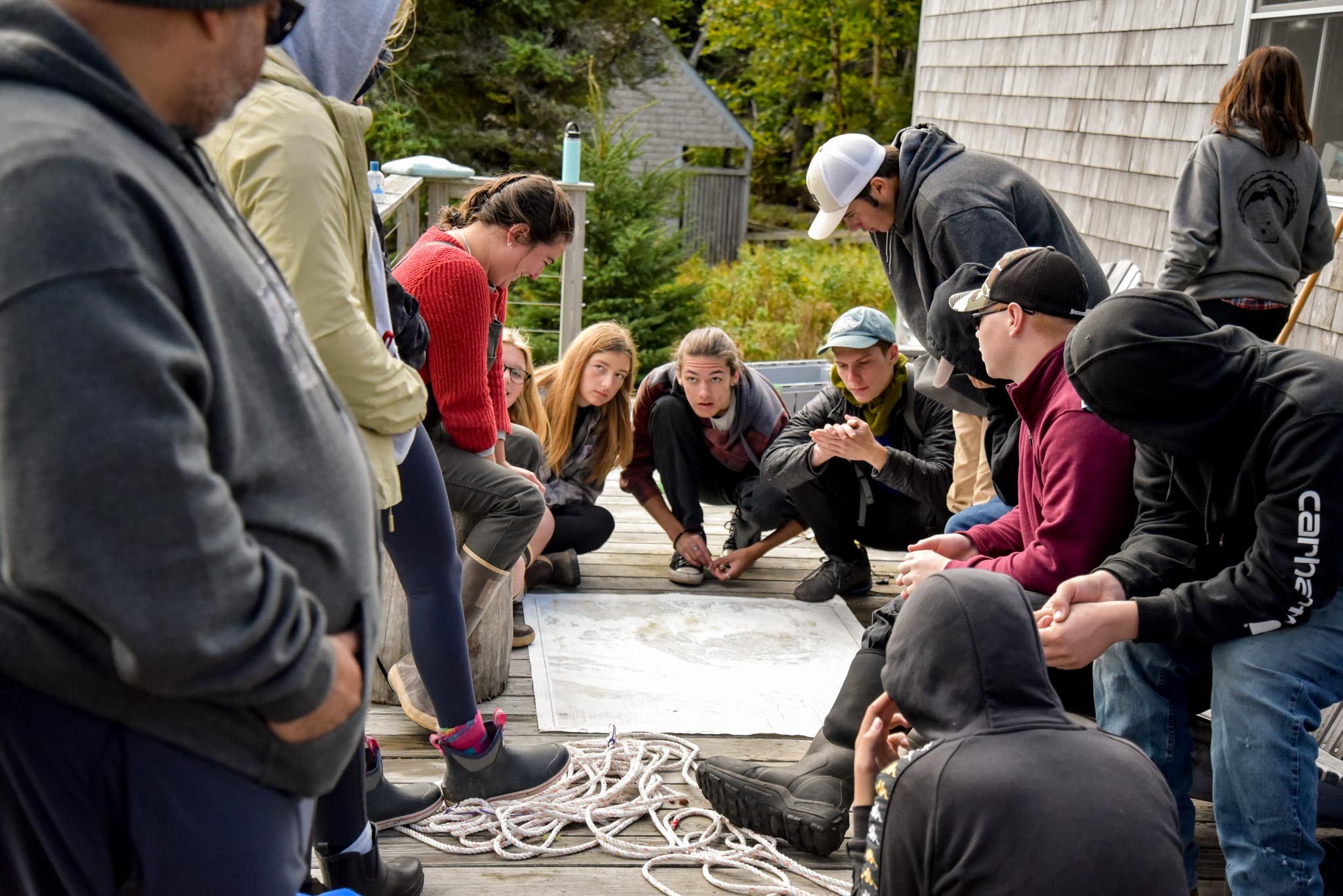
Hurricane Island programs embed students in experiences that leverage the art and practices of science as tools for leadership and social change. Through personal and group explorations, students explore their own strengths as transformative leaders who can address the sustainability challenges facing our world today.
At-A-Glance
Dates: June 28th - July 3rd 2026
Ages: Rising 9th - 12th graders
Drop off time: 12:15 pm for the 1 pm ferry
Pick up time: 4 pm
Cost: $1750 - All inclusive of transportation between Rockland and Hurricane Island, housing, meals, snacks, and all programming
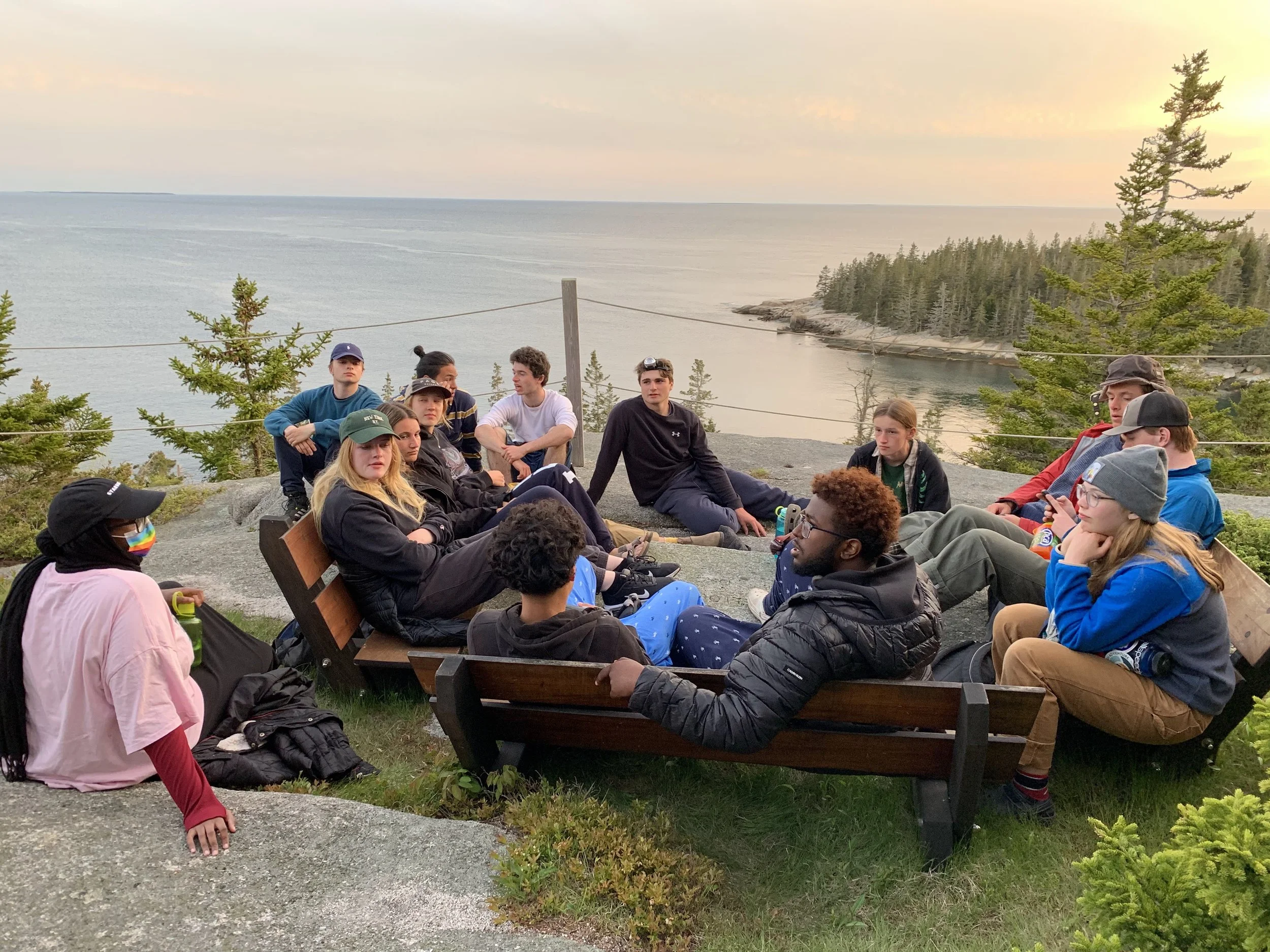
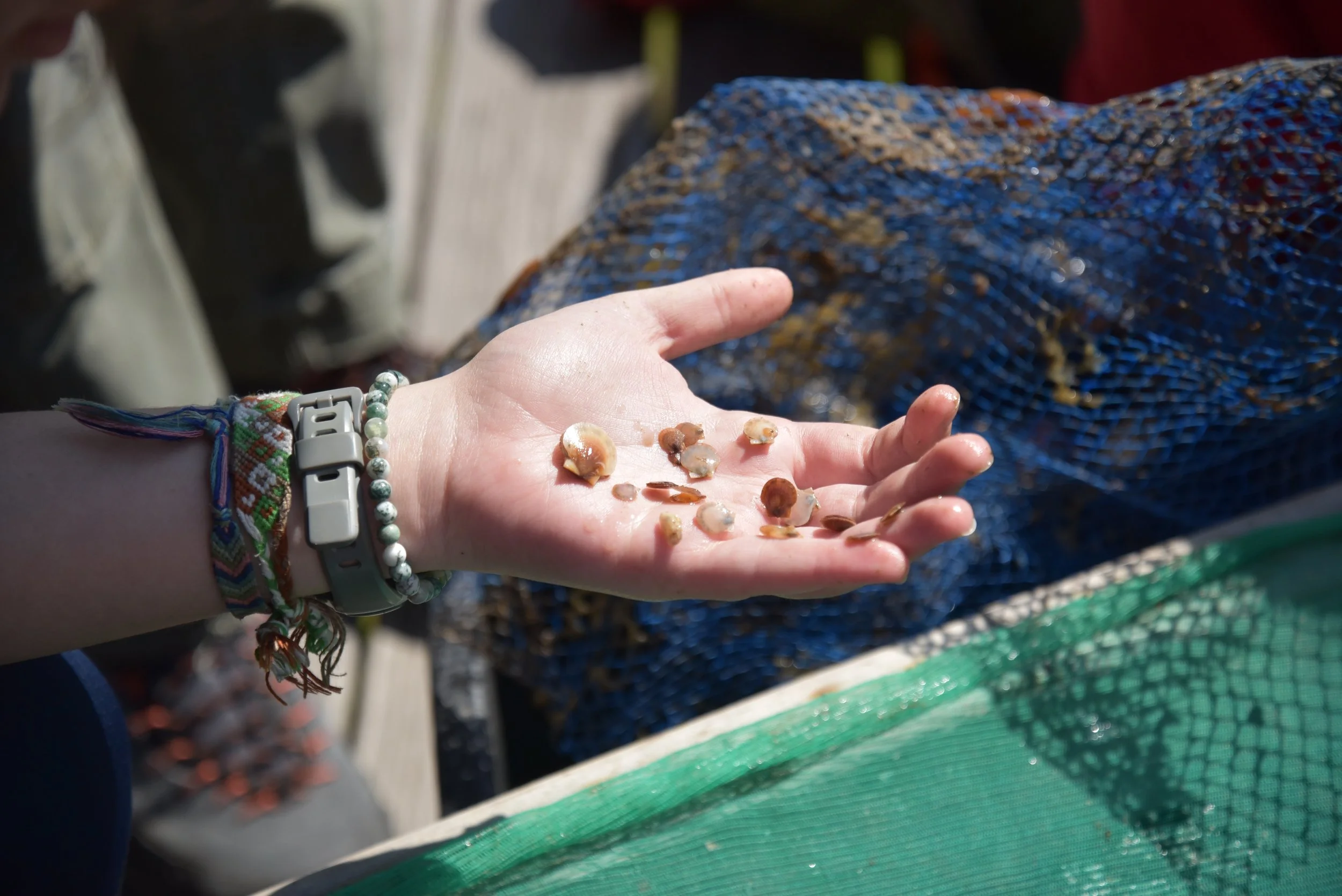
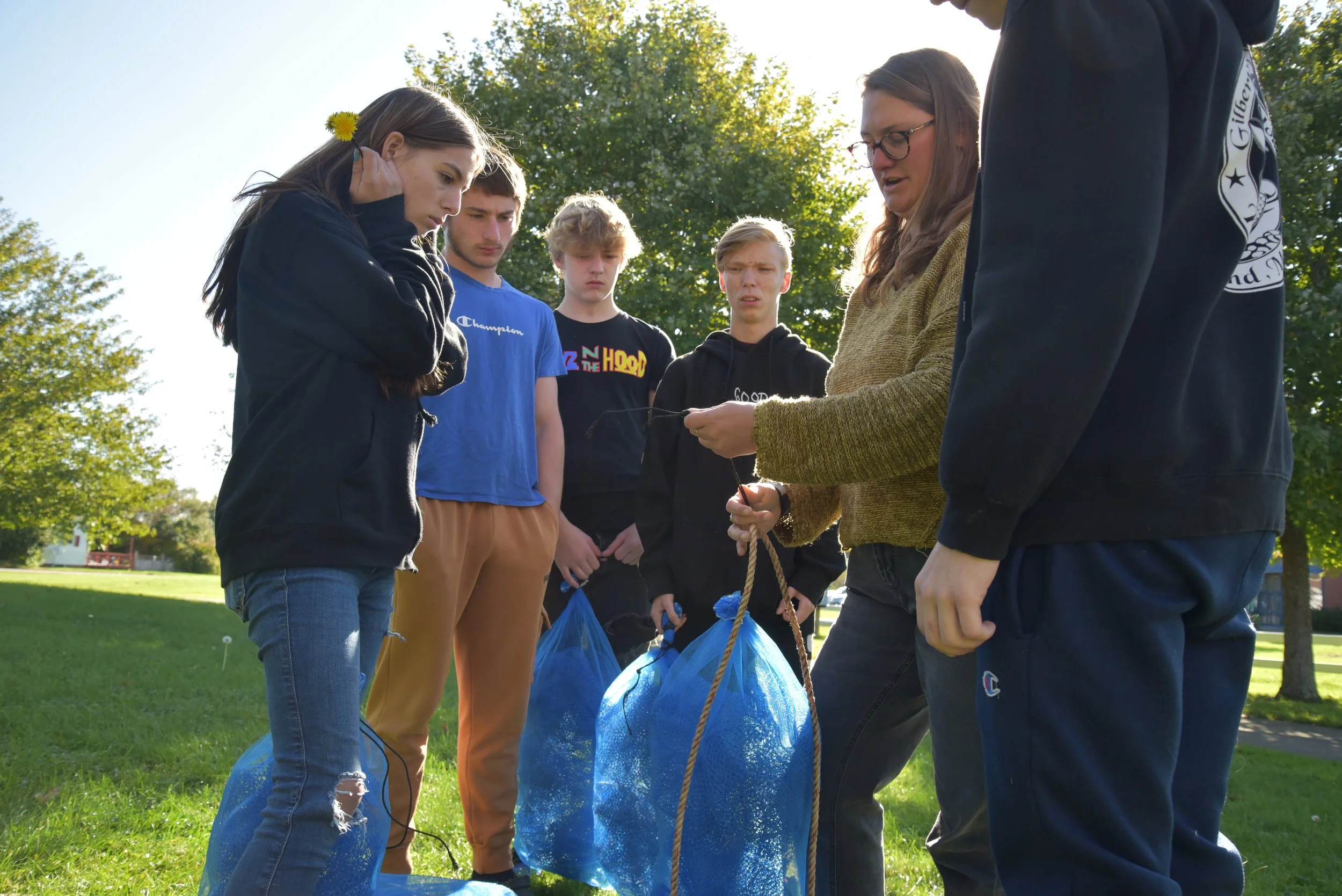
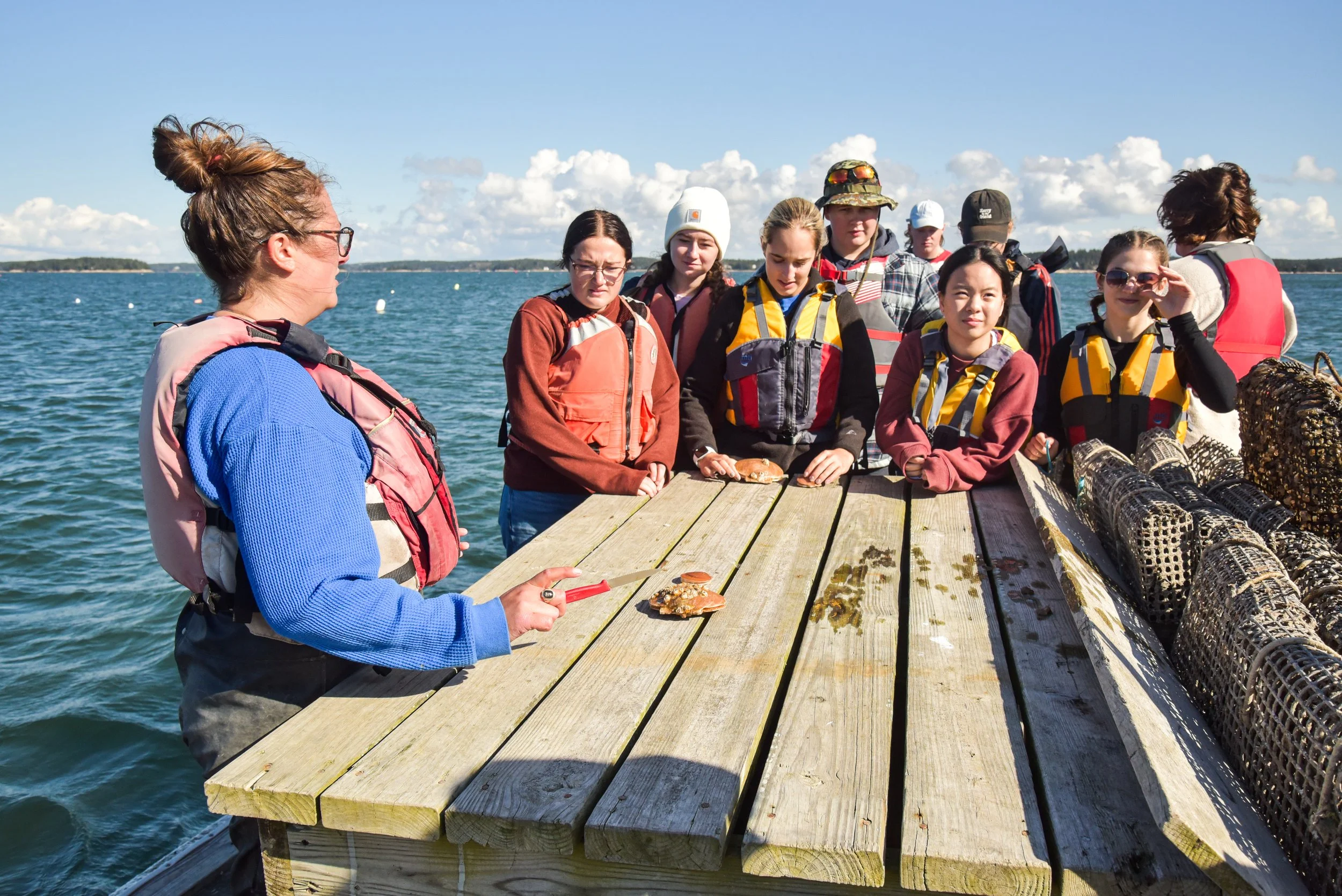
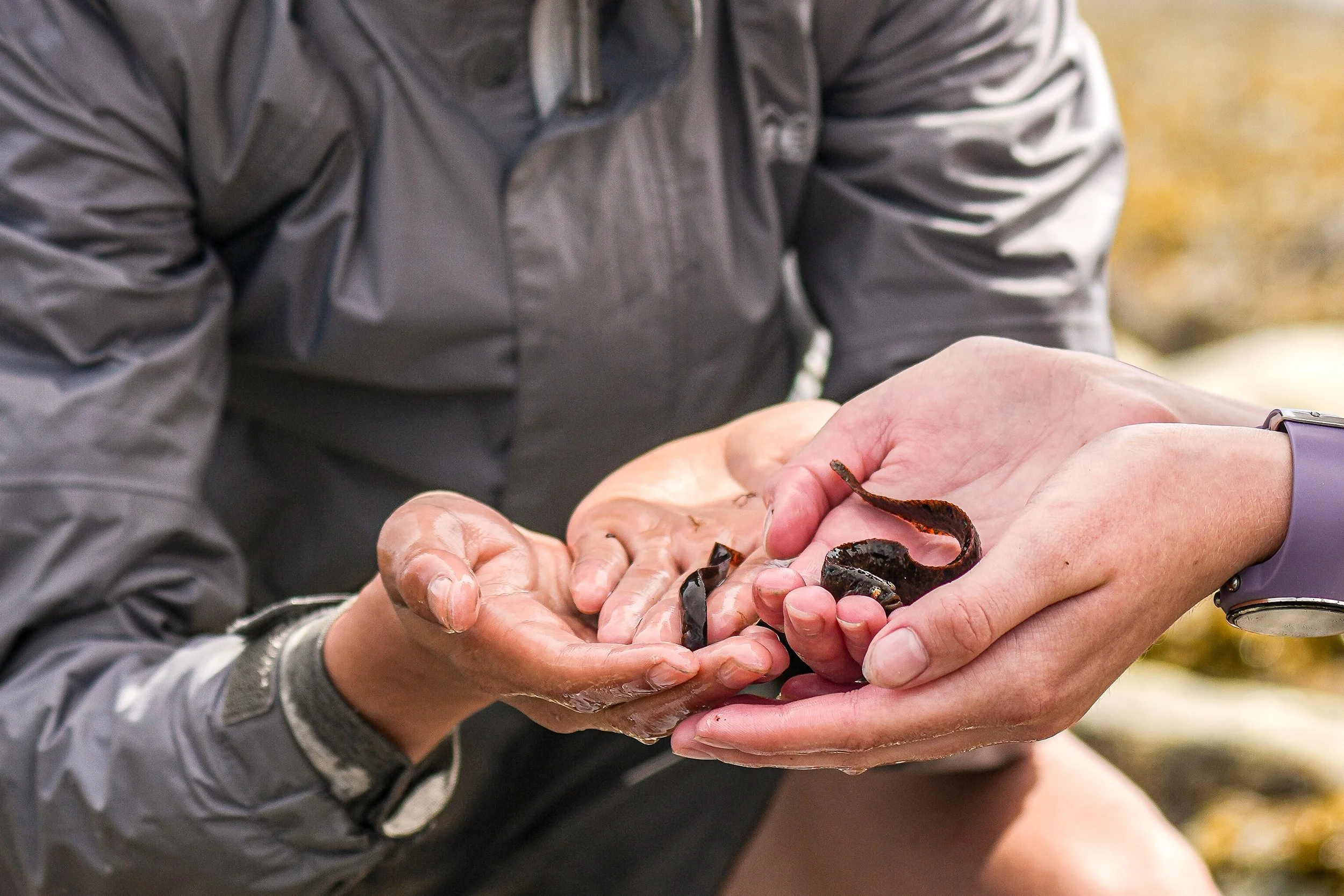
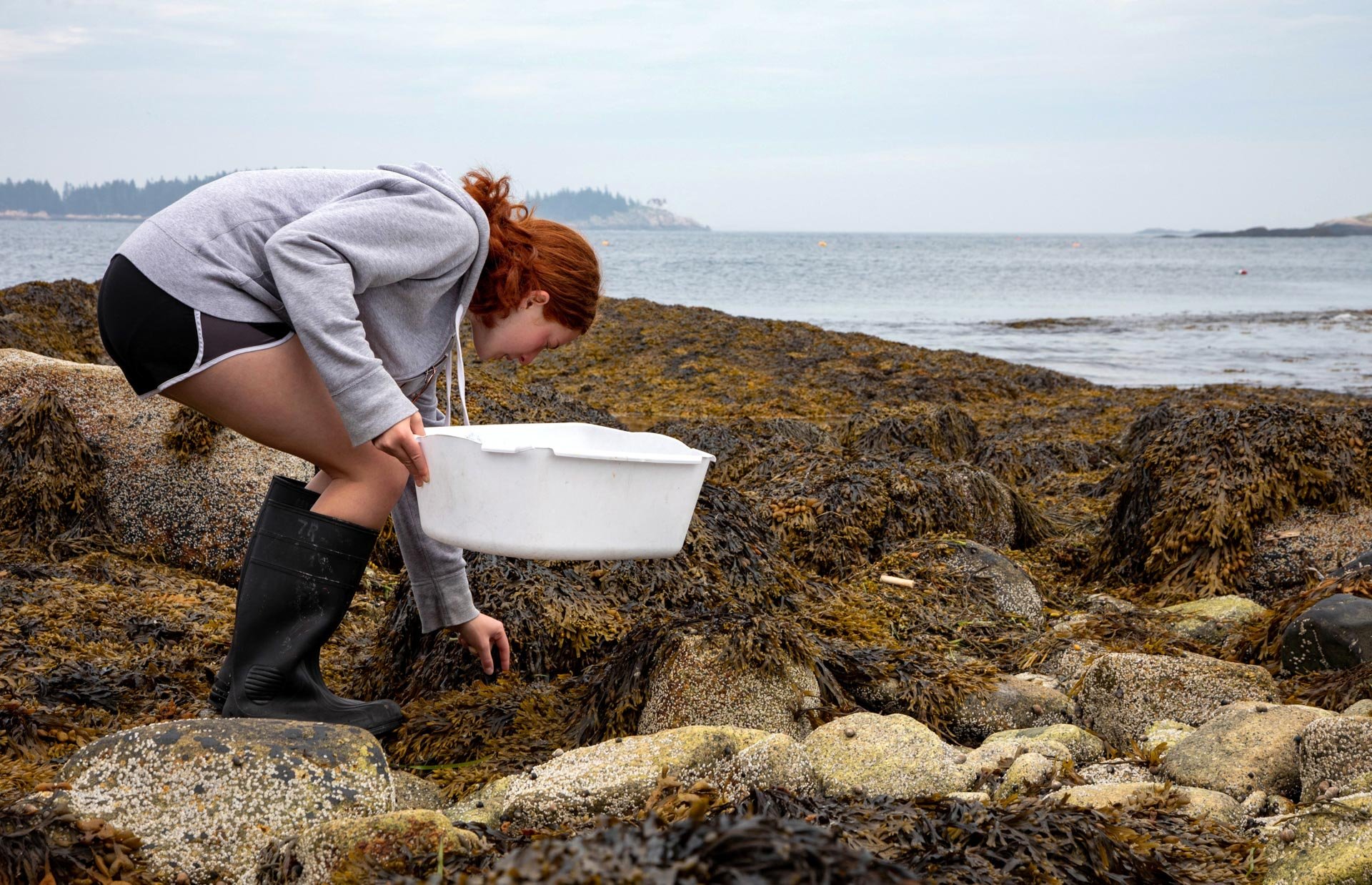
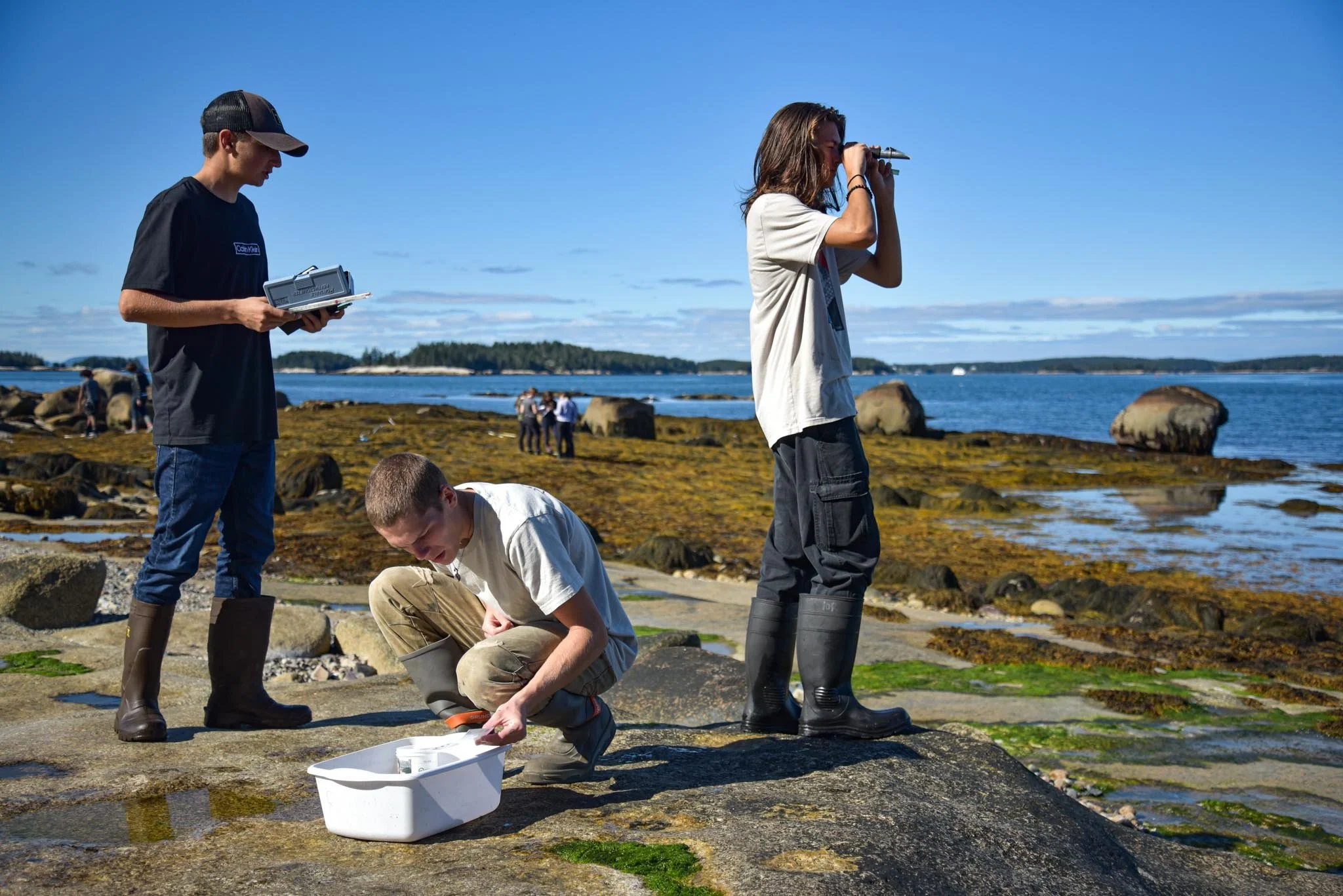
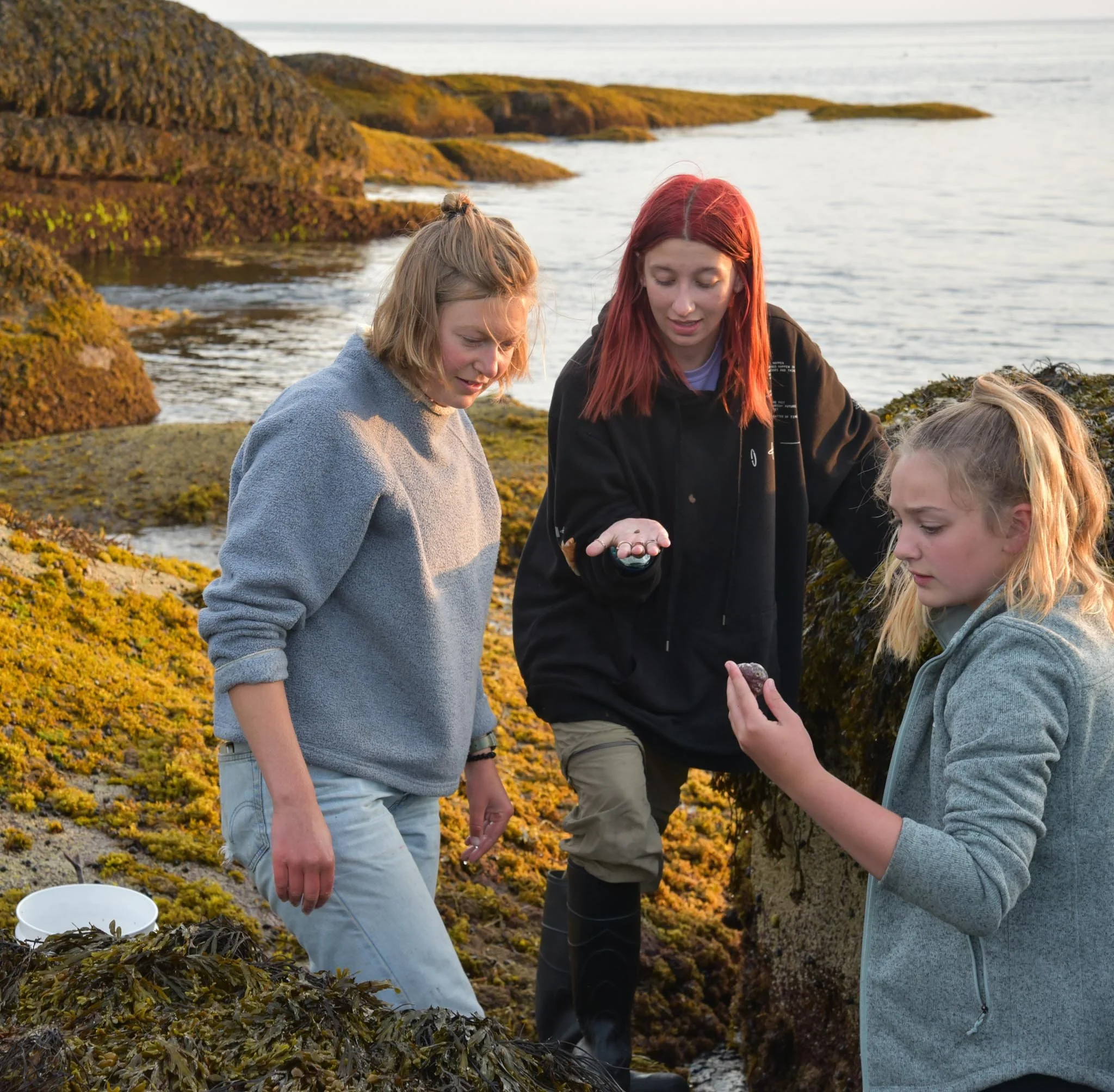
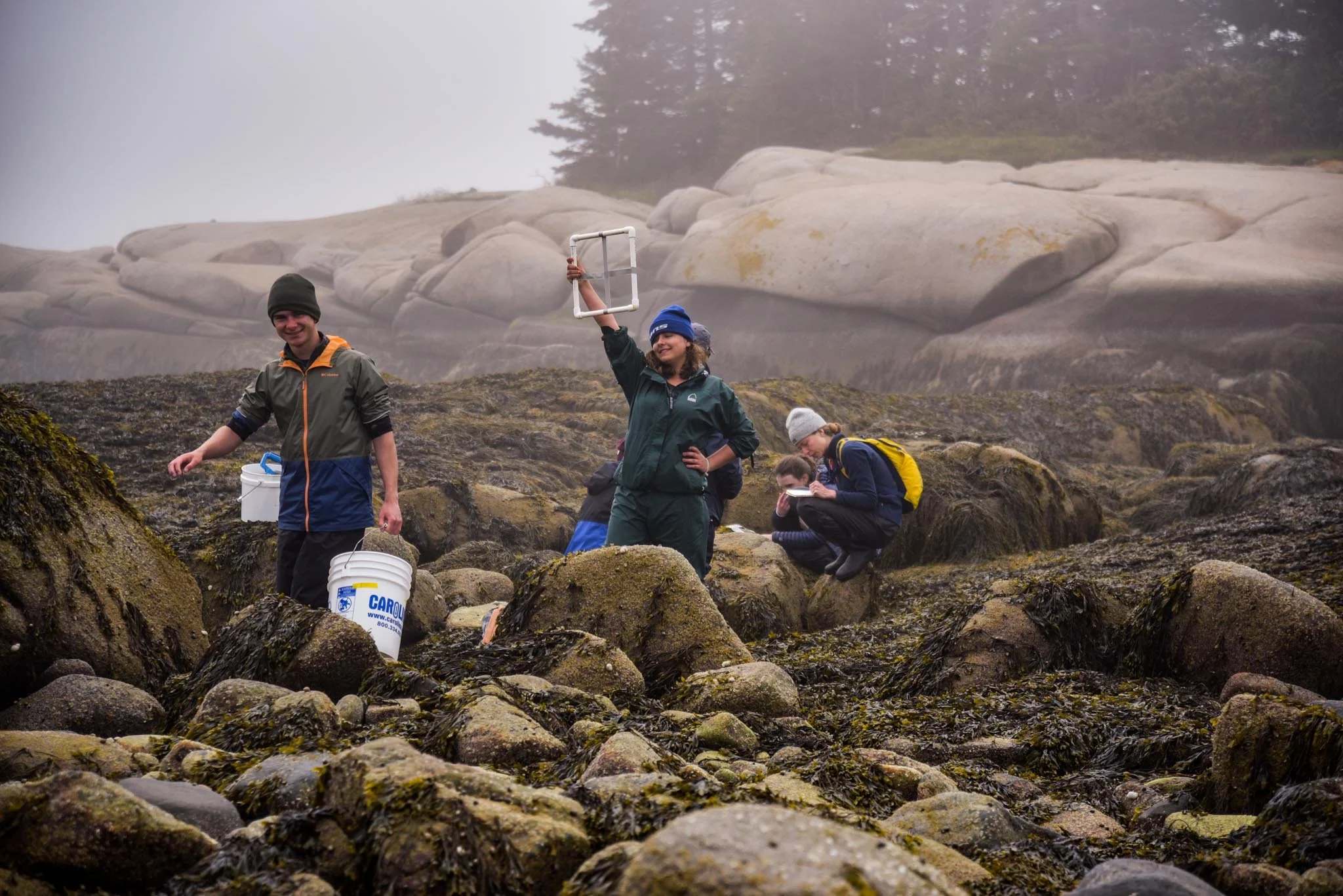
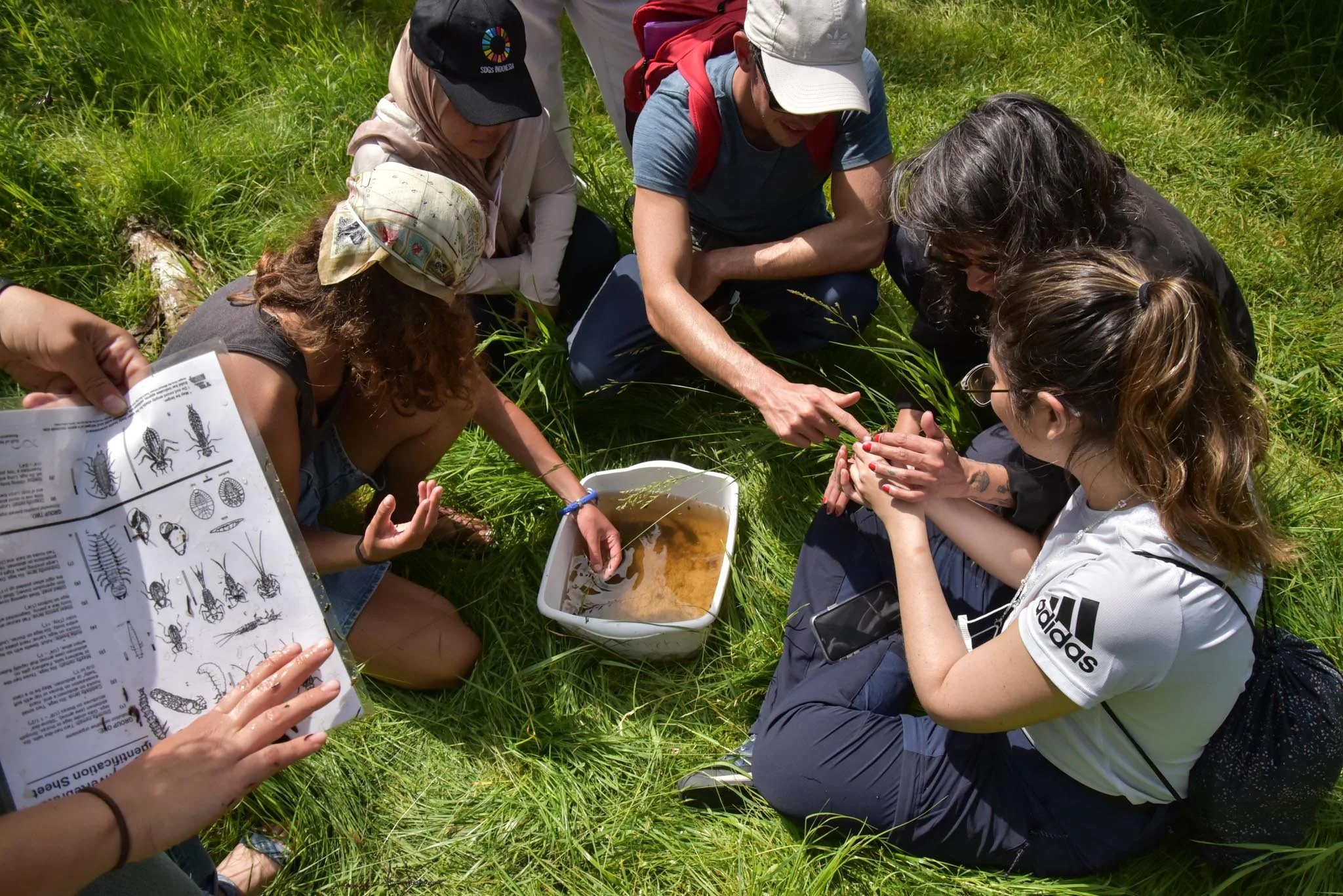
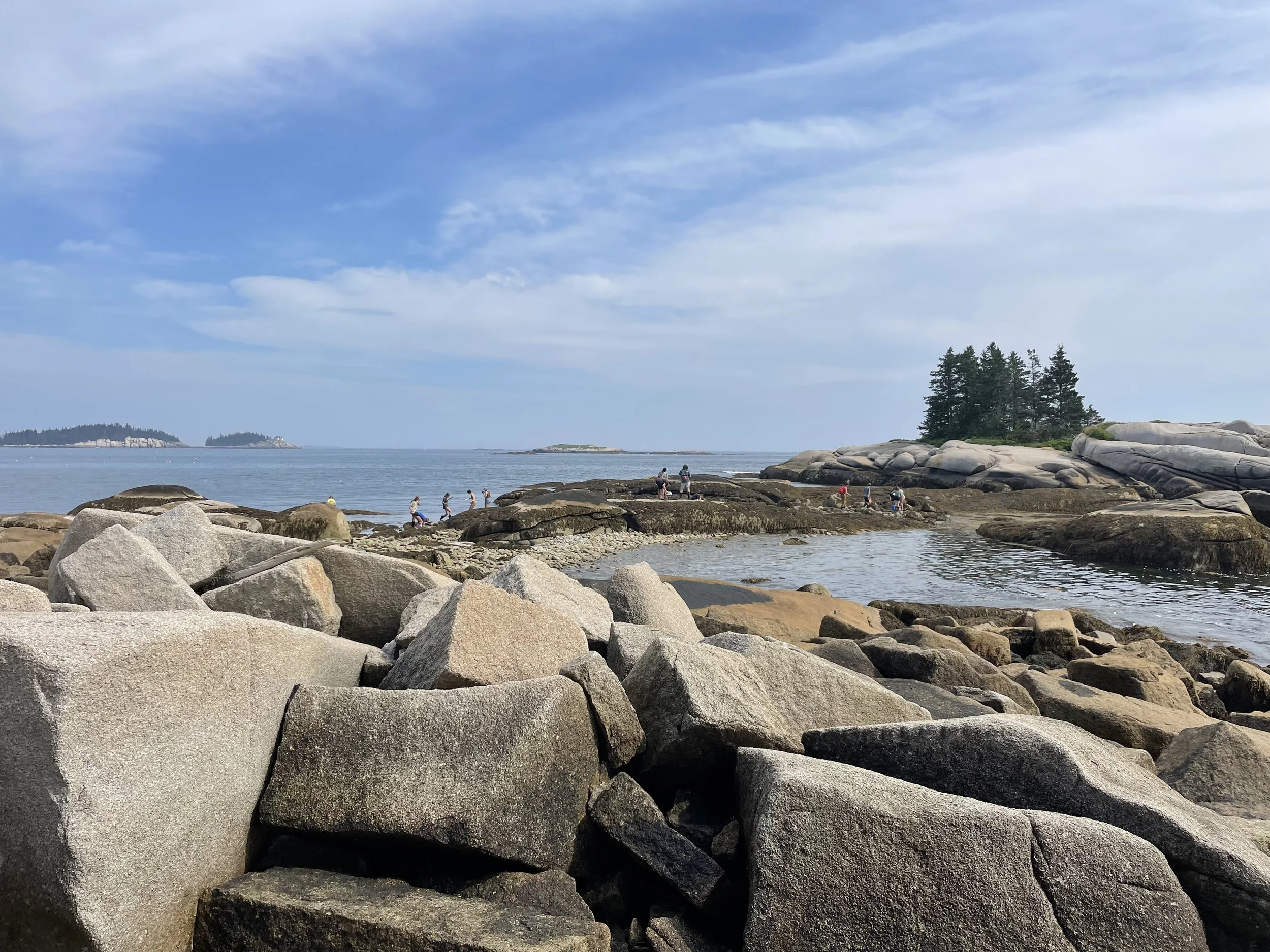
The High School Summer Science programs are designed for rising 9th-12th graders with an interest in environmental science who would like to gain skills in scientific research and leadership. The High School Bio Blitz program explores multiple ecosystems on and around Hurricane Island including the intertidal zone, forest ecosystems, shore-line ecosystems, freshwater ecosystems, and the marine ecosystem. Each day students will focus on a different ecosystem, studying the biodiversity and ecosystem dynamics, and learning how to identify a wide range of organisms. Students will learn about invertebrates, mammals, shore birds, and marine and terrestrial vegetation. This new, collaborative program will work to create a baseline of species data on Hurricane Island which is essential for future conservation and management efforts. The program will culminate in student presentations of their Hurricane Island Field Guides on the mainland for friends, family, and the general public, providing students with the opportunity to share what they have learned throughout the program and practice science communication skills. This educational science program is interspersed with active team building initiatives, rock climbing, and free time to explore the island, swim off the dock, or relax in the sun.
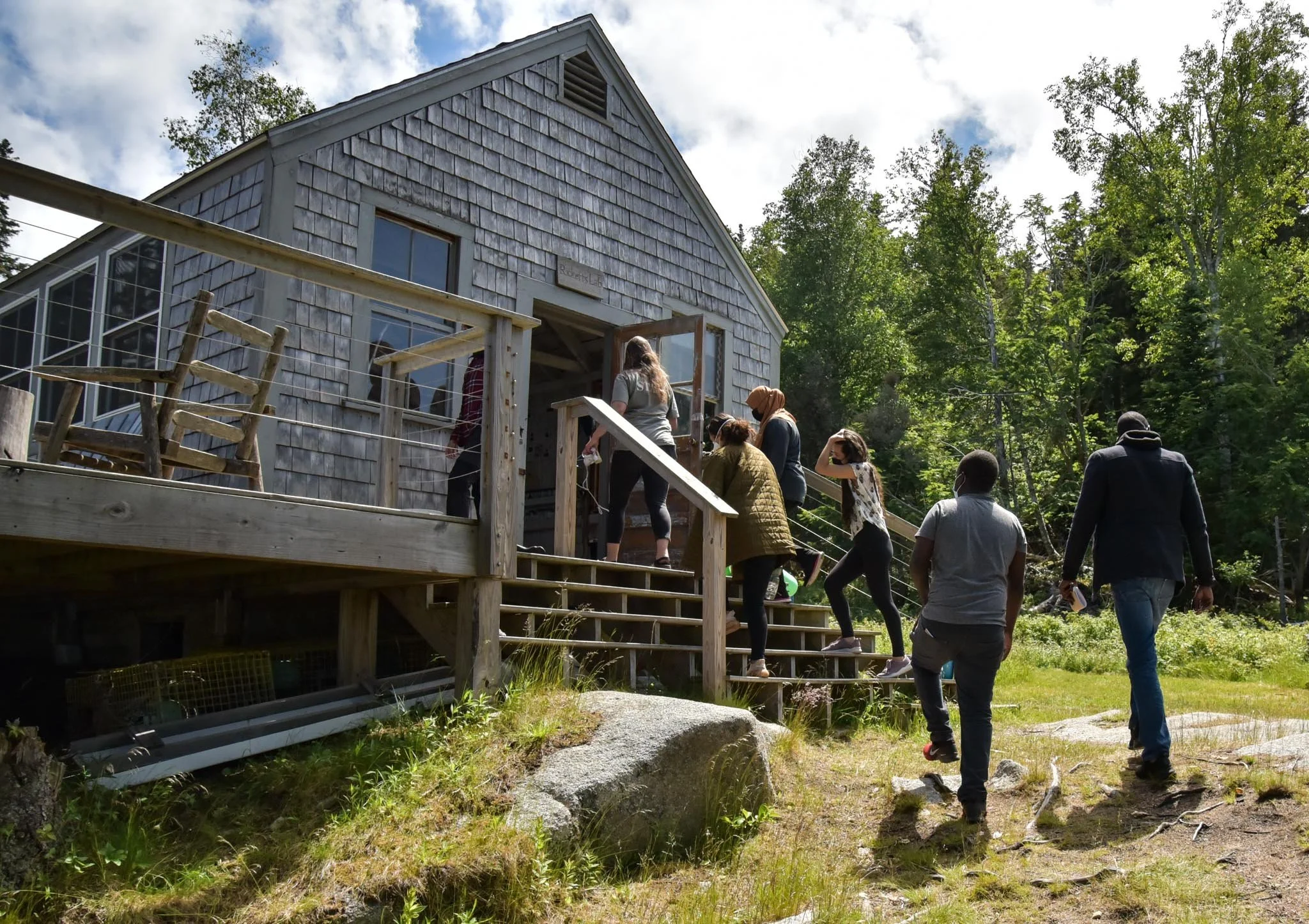
Spending the week off-grid, students will become familiar with sustainable practices on the island such as conserving water and minimizing food waste. Students should be prepared to engage in community living, participate in communal chores and responsibilities, and disconnect from personal technology. Through living and learning together in this dynamic environment, students will begin to explore their own strengths as leaders and how they can leverage science as a tool for social change. Students can expect to leave the island with strengthened connection to the natural world and greater confidence to continue practicing leadership in their home communities.